


As Mia Global, we develop disaster and emergency support systems that provide all the infrastructure field teams need in disaster, war, crisis and hard-to-reach regions. We bring together mobile command centers, communication units, living modules, energy and logistics solutions within modular structures that can be rapidly deployed to the field.
Rapid Deployment
Modular systems that can be commissioned within hours–days and are immediately available in times of crisis
Full Operational Support
Solutions that consolidate management, communication, power, accommodation and logistics functions under a single integrated structure
Resilience to Harsh Conditions
Designs that are resistant to post-disaster physical, climatic and operational conditions and can be used safely in the field for long periods
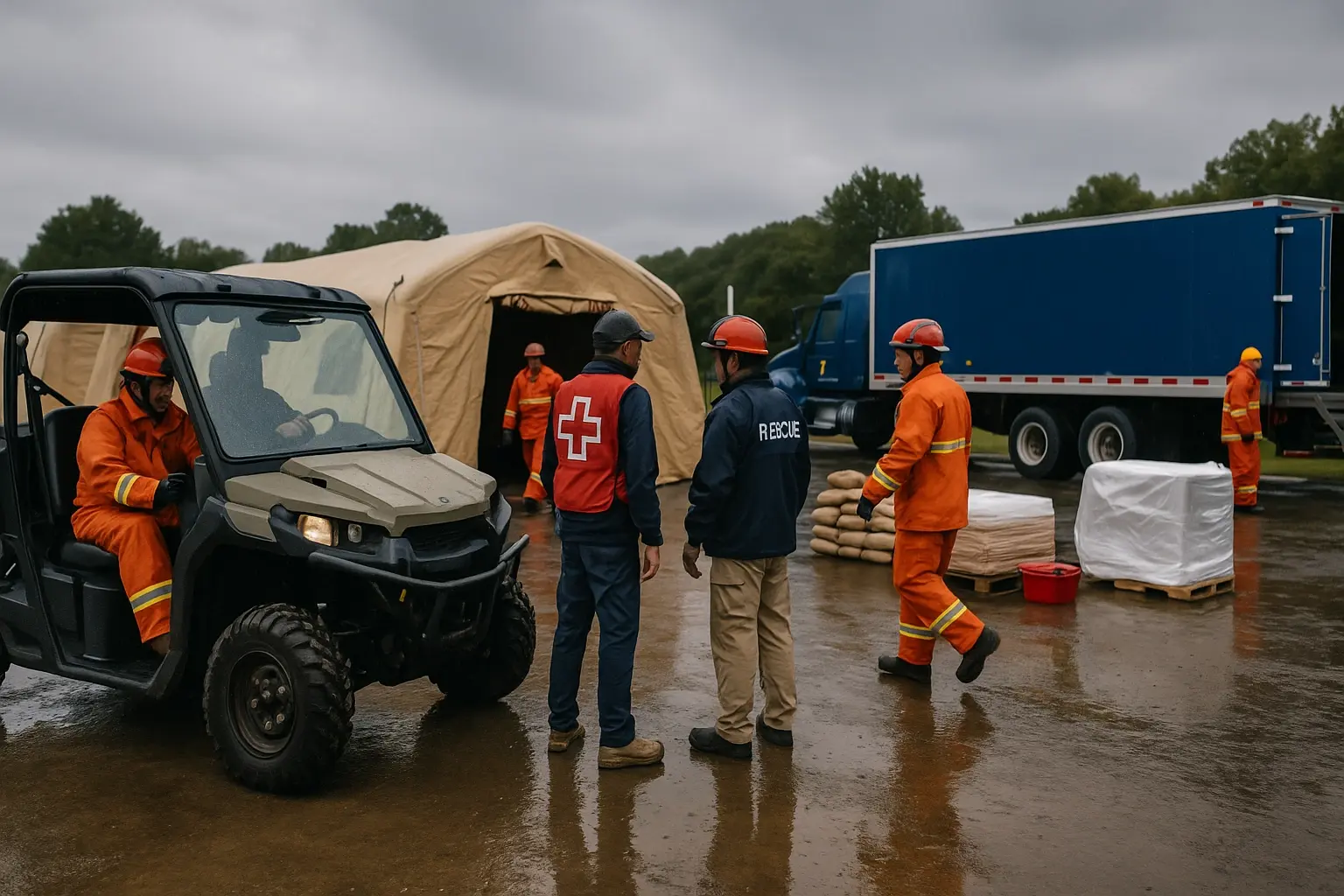
Our disaster and emergency solutions are designed to bring coordination, accommodation, power and logistics management together under one roof in earthquake, flood, fire, war and mass emergency scenarios.
Modules are configured to support the accommodation, communication, coordination, security and basic needs of field teams. In this way, we create not only a temporary shelter solution, but an end-to-end operations system that sustains crisis management .
Use Scenarios
• Establishing first response and crisis coordination centers in disaster areas
• Creating living and working spaces for search & rescue and medical teams
• Rapid deployment of power, communication and IT infrastructure in the field
• Using mobile units for temporary shelter, food distribution and logistics management
• Providing temporary emergency infrastructure for large-scale events and high-risk operations
Proje Görselleri


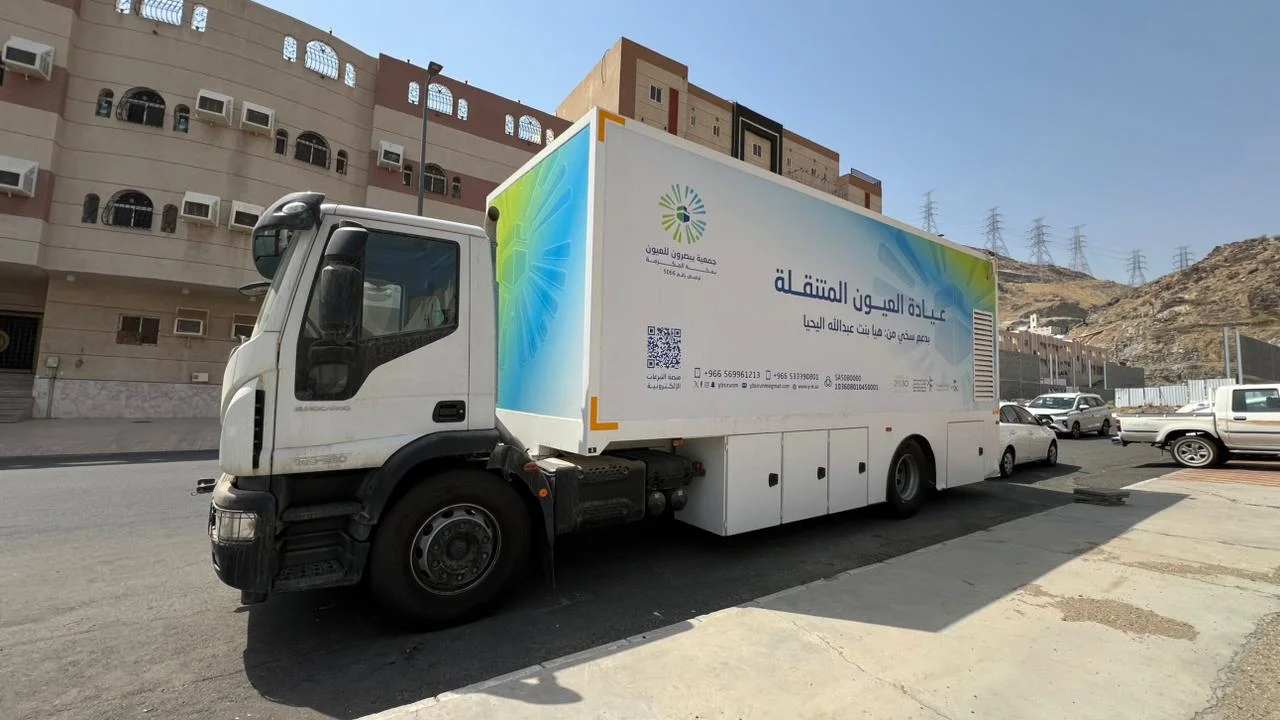


Scope of Our Disaster and Emergency Support Systems
Mobile Accommodation Units

These mobile modules provide safe, climate-controlled, and rapidly deployable living spaces for personnel working in disaster areas. They are designed to support sleep, rest, and basic living needs.
Foldable Living Containers
They are compact living solutions with quick installation and transportation and storage advantages. They offer a durable and flexible structure to meet the temporary shelter needs of disaster victims and field teams.
Mobile Kitchen Systems
These are mobile kitchen modules equipped with industrial equipment designed to meet mass feeding needs after a disaster. They provide safe and hygienic food production at high capacity.
Mobile Toilet, Bathroom and Laundry Units
These sanitation units were developed to improve hygiene and quality of life on-site. They are suitable for long-term use with clean water, wastewater management, and ventilation systems.
Mobile Energy and Support Systems (Generator)
These are mobile modules that offer high-capacity generators and energy distribution solutions to provide uninterrupted power. They ensure the sustainable continuation of critical operations.
Mobile Cold Storage
They are portable storage modules with climate-controlled cold chain storage systems for the safe storage of food, medicine and medical supplies.
Mobile Population Services Vehicle
It’s a mobile management tool that enables field identification, registration, application, and official transactions. It includes a digital infrastructure and secure communication systems to ensure uninterrupted citizenship services.
Technical Advantages of Our Disaster and Emergency Support Systems
Rapid Deployment
- Modular units pre-tested at the factory and requiring minimal assembly on site
- System configurations that can be commissioned within hours – a few days for different scenarios
- Fast integration with existing infrastructure via standardized connection points
Standards-Compliant Design
- Structural and interior layouts designed in line with disaster management and occupational health & safety standards
- Module configurations planned with fire, safety and emergency evacuation scenarios in mind
- Solutions that can be customized according to local regulations and institutional procedures
Integrated Power and Communication
- Solutions where generator, energy storage and distribution infrastructure can be managed within a single system
- Uninterrupted communication via satellite, LTE, radio and local network integration
- Redundant power and communication scenarios for critical systems
Flexible Configuration
- An architecture in which management, accommodation, logistics, power and communication modules can be combined as needed
- Adaptable solutions ranging from short-term crisis management to long-term field operations
- Tailor-made project setups based on country, institution and scenario
Our Working Model in Disaster and Emergency Projects
1
Needs Analysis
Disaster scenarios, regional characteristics, target capacity, module types and the operations model are evaluated together.
2
Concept and Technical Design
A detailed concept is developed in line with the use scenarios, operational objectives and technical requirements of the mobile system. Workflow diagrams, module layouts, HVAC–power–data infrastructure and equipment integrations are planned in accordance with international standards. This stage ensures that the project is shaped in the most accurate way from both an engineering and user experience perspective.
3
Production and Factory Testing
All modules are manufactured; power, communication, safety and structural tests are completed and the system is made ready for shipment to the field.
4
Shipment and On-Site Installation
Modules are transported to the site, infrastructure connections are completed, positioned in line with the layout plan and the systems are commissioned.
5
Training, Operations and Ongoing Support
Operational, safety and maintenance training is provided to user teams; long-term technical support and improvement scenarios are planned.